

.png)

L'emballage molded pulp attire de plus en plus l'attention comme option respectueuse de l'environnement dans le secteur de l'emballage, offrant une alternative séduisante aux matériaux traditionnels comme le plastique et le polystyrène. Alors que les entreprises et les consommateurs accordent de plus en plus d'importance à la durabilité, comprendre la recyclabilité de l'emballage molded pulp devient essentiel.
Qu'est-ce que l'emballage molded pulp ?
Le molded pulp, ou moulded pulp, est un matériau d'emballage généralement fabriqué à partir de carton recyclé ou de fibres naturelles provenant de déchets agricoles. Le procédé consiste à mélanger les fibres avec de l'eau pour créer une pâte, qui est ensuite moulée en formes spécifiques selon diverses techniques. Une fois formés, les produits sont séchés et peuvent être utilisés pour l'emballage d'une large gamme d'articles, des œufs et contenants alimentaires aux appareils électroniques et produits de santé. En savoir plus sur les avantages et défis de l'emballage molded pulp.
La durabilité de l'emballage molded pulp
Recyclabilité: oui, l'emballage molded pulp est recyclable. Il peut être déposé dans les bacs de recyclage avec d'autres produits en papier, à condition d'être exempt de contaminants tels que des résidus alimentaires. Le molded pulp est fabriqué à partir de carton recyclé et de fibres naturelles, ce qui en fait une option d'emballage durable. De plus, il est compostable et biodégradable, se décomposant naturellement dans les environnements de compostage. Ce matériau contribue à réduire les déchets en décharge, à préserver les ressources et à diminuer les émissions de gaz à effet de serre.
Efficacité énergétique et en ressources: la production de molded pulp consomme considérablement moins d'énergie que la fabrication de plastique, notamment lorsque la pâte est fabriquée à partir de matériaux recyclés. Elle utilise également l'eau de manière plus efficace lors du processus de production, ce qui est significatif compte tenu des préoccupations mondiales concernant l'utilisation de l'eau.
Empreinte carbone: l'empreinte carbone associée à la production, à l'utilisation et à l'élimination du molded pulp est nettement inférieure à celle de nombreux autres matériaux d'emballage. Sa capacité à être fabriqué à partir de déchets agricoles locaux ou de papier recyclé réduit également le besoin de longs transports, diminuant encore son empreinte carbone globale.
Applications dans l'emballage retail et de santé
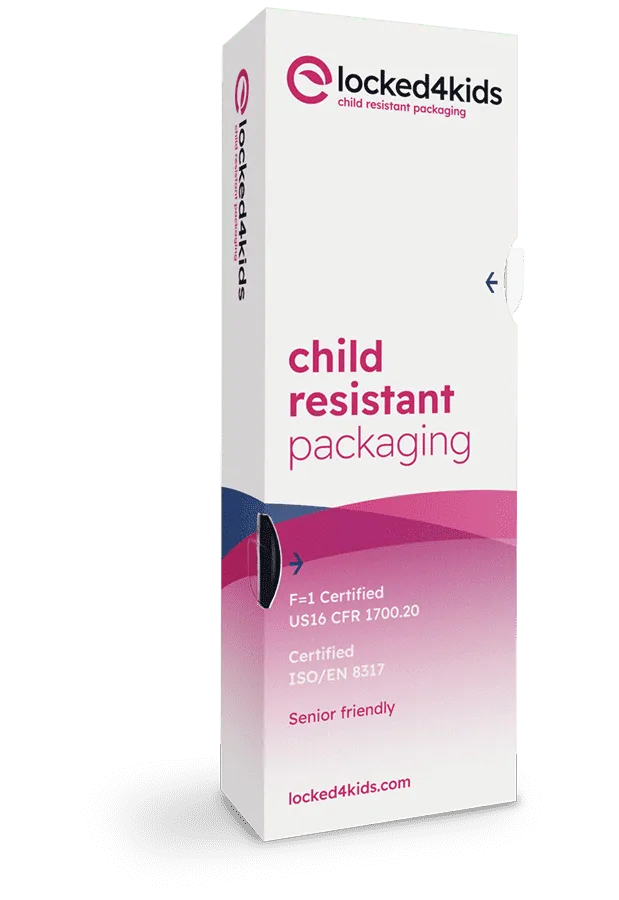
Des entreprises comme Ecobliss sont à l'avant-garde de l'intégration de pratiques durables dans leurs offres de produits. Par exemple, des innovations comme le Locked4Kids Wallet Box illustrent comment la durabilité peut être adoptée sans sacrifier la sécurité et la fonctionnalité. Le Wallet Box, entièrement fabriqué en papier, exemplifie un tournant significatif vers l'utilisation de matériaux comme le molded pulp, en accord avec les objectifs environnementaux et les préférences des consommateurs. Vous vous demandez si cet emballage convient mieux aux faibles ou aux forts volumes ? Découvrez-le ici.
Défis et considérations
Bien que le molded pulp présente de nombreux avantages d'un point de vue environnemental, certains défis méritent d'être pris en compte :
- Intégrité structurelle: selon l'application, le molded pulp n'offre pas toujours le même niveau de protection que les plastiques. Cela est particulièrement pertinent dans des secteurs comme l'électronique, où des composants sensibles nécessitent un emballage robuste.
- Résistance à l'humidité: le molded pulp est sensible à l'humidité, ce qui peut compromettre son intégrité structurelle. Bien que des avancées soient réalisées, comme l'ajout de cires naturelles ou d'autres revêtements, ces solutions doivent être équilibrées avec le maintien de la recyclabilité de l'emballage.
L'emballage molded pulp est effectivement recyclable et représente une option durable qui s'aligne sur les efforts mondiaux visant à réduire les déchets et à promouvoir la gestion responsable de l'environnement. Pour en savoir plus sur les solutions d'emballage durables et découvrir comment elles peuvent bénéficier à votre entreprise, contactez notre équipe.
Demandez un échantillon gratuit maintenant !


