

.png)

Opakowania molded pulp zyskują uwagę jako przyjazna dla środowiska opcja w branży opakowaniowej, oferując atrakcyjną alternatywę dla tradycyjnych materiałów takich jak tworzywa sztuczne i styropian. W miarę jak firmy i konsumenci coraz częściej stawiają na zrównoważony rozwój, zrozumienie podatności opakowań molded pulp na recykling staje się kluczowe.
Czym są opakowania z molded pulp?
Masa celulozowa formowana, zwana również pulpą formowaną, to materiał opakowaniowy, zazwyczaj wytwarzany z recyklingowanej tektury lub włókien naturalnych z odpadów rolniczych. Proces ten polega na mieszaniu włókien z wodą w celu uzyskania zawiesiny, która jest następnie formowana w określone kształty za pomocą różnych technik. Po uformowaniu produkty są suszone i mogą być wykorzystywane do pakowania szerokiej gamy produktów, od jajek i pojemników na żywność po urządzenia elektroniczne i produkty medyczne. Dowiedz się więcej o zaletach i wyzwaniach związanych z opakowaniami z masy celulozowej formowanej.
Zrównoważony charakter opakowań molded pulp
Podatność na recykling: Tak, opakowania molded pulp nadają się do recyklingu. Można je umieszczać w pojemnikach na recykling razem z innymi produktami papierowymi, pod warunkiem że są wolne od zanieczyszczeń takich jak resztki żywności. Molded pulp wykonany jest z papieru z recyklingu i naturalnych włókien, co czyni go zrównoważoną opcją opakowaniową. Dodatkowo nadaje się do kompostowania i jest biodegradowalny, naturalnie rozkładając się w środowiskach kompostujących. Materiał ten pomaga ograniczyć odpady na składowiskach, oszczędzać zasoby i zmniejszać emisję gazów cieplarnianych.
Efektywność energetyczna i zasobowa: Produkcja molded pulp zużywa znacznie mniej energii niż wytwarzanie tworzyw sztucznych, przede wszystkim gdy masa wykonywana jest z materiałów z recyklingu. Wykorzystuje też wodę efektywniej podczas procesu produkcyjnego, co jest istotne w obliczu globalnych obaw o zużycie wody.
Ślad węglowy: Ślad węglowy związany z produkcją, użytkowaniem i utylizacją molded pulp jest znacznie niższy niż w przypadku wielu innych materiałów opakowaniowych. Możliwość wytwarzania go z lokalnych odpadów rolniczych lub papieru z recyklingu również ogranicza potrzebę długich tras transportowych, dodatkowo zmniejszając jego całkowity ślad węglowy.
Zastosowania w opakowaniach dla handlu detalicznego i ochrony zdrowia
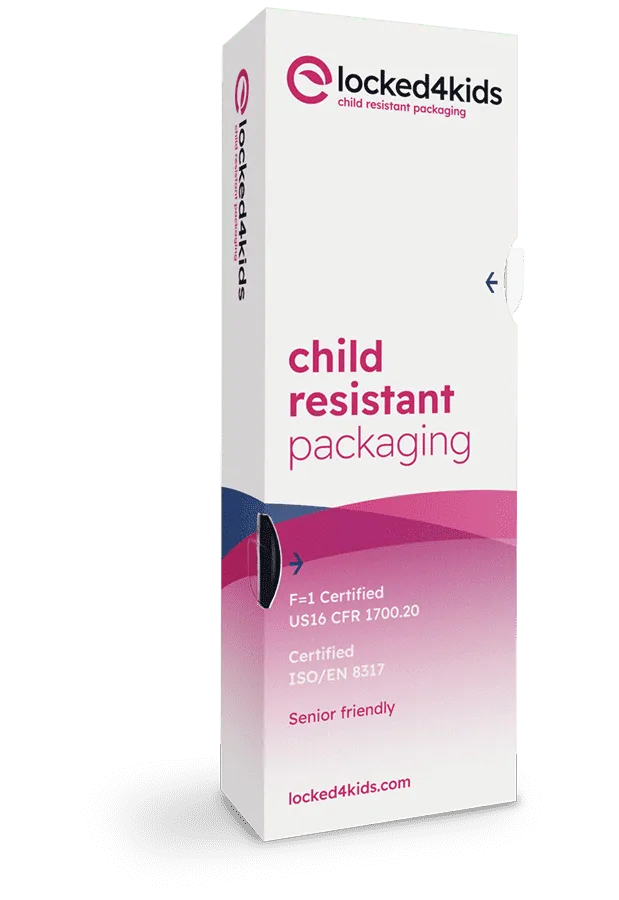
Firmy takie jak Ecobliss przodują we włączaniu zrównoważonych praktyk do swojej oferty produktowej. Na przykład innowacje takie jak Locked4Kids Wallet Box pokazują, jak można realizować zrównoważony rozwój bez poświęcania bezpieczeństwa i funkcjonalności. Wallet Box, w całości wykonany z papieru, stanowi przykład znaczącej zmiany w kierunku wykorzystania materiałów takich jak formowana pulpa celulozowa, co jest zgodne z szerszymi celami środowiskowymi i preferencjami konsumentów. Zastanawiasz się, czy to opakowanie sprawdzi się lepiej w przypadku małych, czy dużych nakładów? Dowiedz się tutaj!
Wyzwania i kwestie do rozważenia
Choć molded pulp jest niezwykle korzystny z perspektywy środowiskowej, istnieją wyzwania, które warto rozważyć:
- Integralność strukturalna: W zależności od zastosowania molded pulp nie zawsze może oferować taki sam poziom ochrony jak tworzywa sztuczne. Jest to szczególnie istotne w branżach takich jak elektronika, gdzie wrażliwe komponenty wymagają solidnego opakowania.
- Odporność na wilgoć: Molded pulp jest podatny na wilgoć, która może naruszyć jego integralność strukturalną. Choć dokonuje się postępów, takich jak dodawanie naturalnych wosków lub innych powłok, rozwiązania te muszą być wyważone z zachowaniem podatności opakowania na recykling.
Opakowania molded pulp rzeczywiście nadają się do recyklingu i stanowią zrównoważoną opcję, zgodną z globalnymi wysiłkami na rzecz ograniczania odpadów i promowania dbałości o środowisko. Aby uzyskać więcej informacji o zrównoważonych rozwiązaniach opakowaniowych i odkryć, jak mogą one przynieść korzyści Państwa firmie, prosimy o kontakt z naszym zespołem.
Zamów teraz bezpłatną próbkę!


